
welcome to our Blog
POOYAMED INSIGHTS
Stay informed with expert insights on lab test interpretation, AI in healthcare, and wellness strategies

Comprehensive Guide to ReadingBlood Test Results
Blood tests provide key insights into your health by measuring blood cell counts, organ function, and risk markers like cholesterol or blood sugar.They help detect problems early, guide treatment, and inform preventive steps.Regular testing allows for ongoing monitoring and timely interventions.Understanding what each test measures, how external factors affect results, and consulting with healthcare providers ensures proactive, informed care.
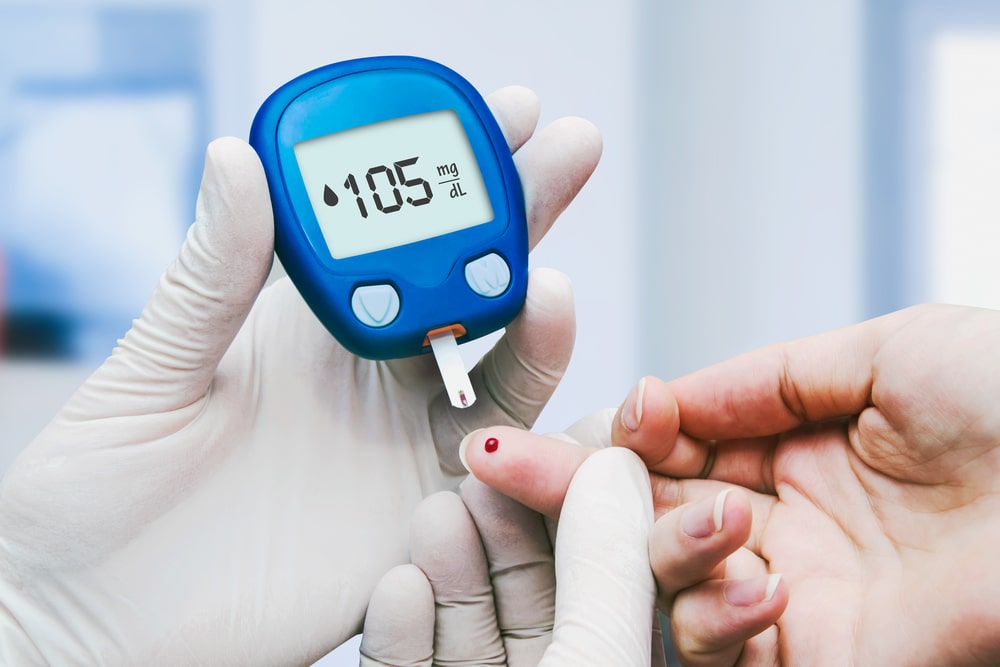
Blood Glucose Monitoring and Diabetes Management
Diabetes mellitus is a multifaceted metabolic disorder characterized by chronic hyperglycemia resulting from insulin insufficiency, resistance, or a combination of both. Given its profound implications for systemic health, meticulous blood glucose monitoring is essential for effective diabetes management. It plays a critical role in optimizing treatment strategies, mitigating complications, and enhancing patient outcomes.
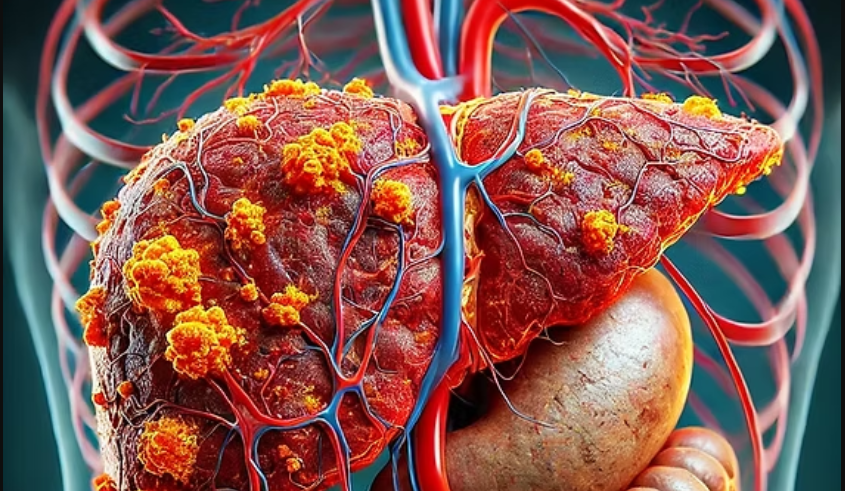
Significance of Hepatic Enzymes in Blood Biochemistry
The liver serves as a central metabolic hub, playing a crucial role in various physiological processes. These include xenobiotic detoxification, macronutrient metabolism, bile production, and endogenous protein synthesis, all of which are essential for maintaining systemic homeostasis. As a highly dynamic organ, its functional integrity is frequently assessed through biochemical markers, among which hepatic enzymes play a pivotal role.tion.
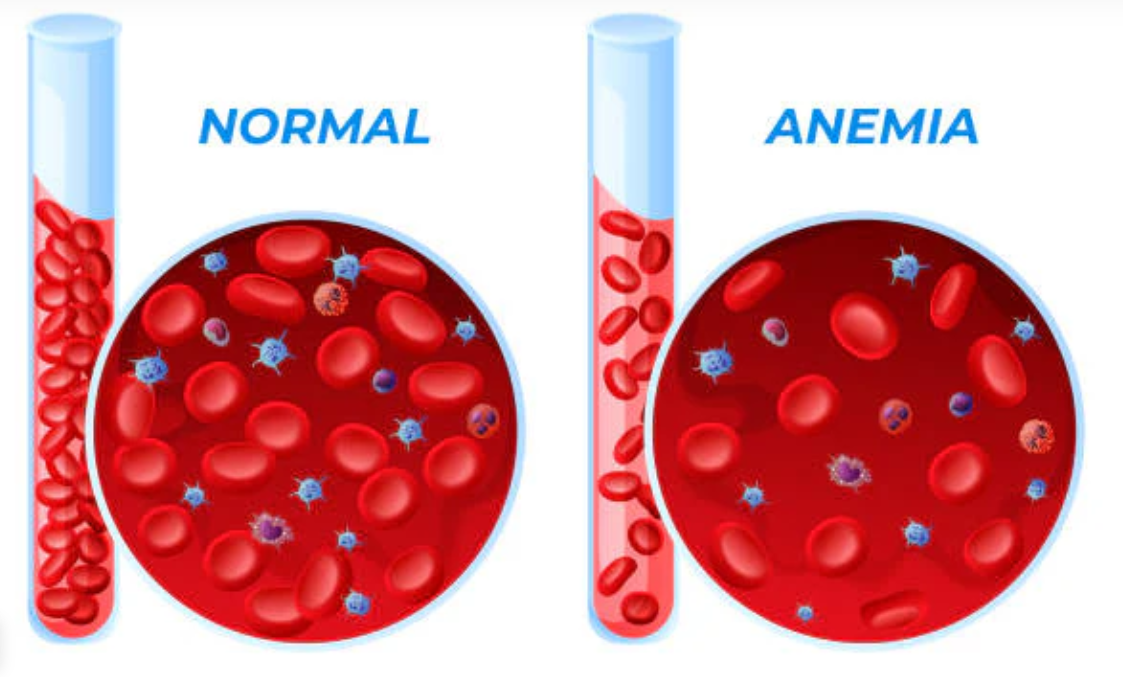
Hemoglobin and Ferritin: Key Indicators for Anemia Diagnosis
Hemoglobin and ferritin are key biomarkers in hematology, providing essential insights into oxygen transport and iron metabolism. Their evaluation is crucial for diagnosing and managing anemia and hematological disorders. A precise understanding of their biochemical properties, physiological ranges, and pathological variations is vital for clinicians and researchers. Further exploration of their regulatory mechanisms and interactions with systemic metabolism enhances diagnostic and therapeutic advancements.
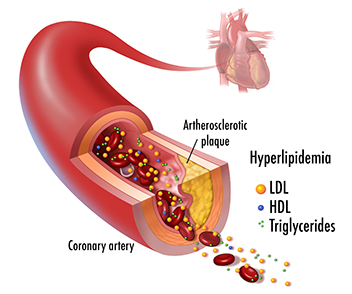
Cholesterol and Blood Lipids:LDL, HDL,Triglycerides
Cholesterol and blood lipids are essential components of the human body, playing vital roles in various physiological functions. However, imbalances in these lipids can lead to serious health complications, including cardiovascular disease. Understanding the different types of lipids, their functions, and their implications for health is crucial. This article explores Low-Density Lipoprotein (LDL), High-Density Lipoprotein (HDL), and triglycerides, along with their impact on cardiovascular health and strategies for maintaining optimal levels.

Vitamin D for Bone Health and Immune System Support
Vitamin D is essential for maintaining strong bones and supporting a robust immune system. Given its importance, individuals should ensure they receive sufficient vitamin D through sun exposure, diet, and supplementation if necessary.
Regular health check-ups and vitamin D level assessments can help prevent deficiencies and associated health risks. Prioritizing adequate vitamin D intake can lead to improved overall well-being and a reduced risk of various diseases
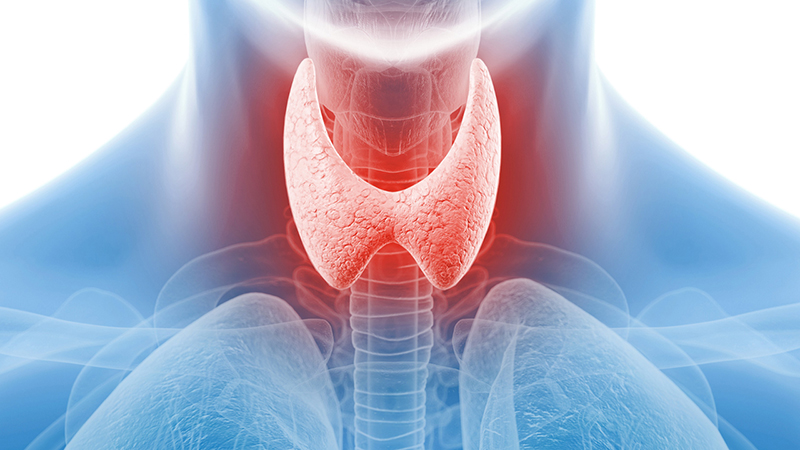
Thyroid Tests: How to Interpret Your Thyroid Function Results
The thyroid gland plays a vital role in regulating metabolism, energy production, and overall hormonal balance.
When thyroid function is impaired, it can lead to various health issues such as hypothyroidism or hyperthyroidism. Thyroid function tests (TFTs) are essential diagnostic tools used to assess the gland’s performance. Understanding these test results can help individuals and healthcare providers make informed decisions about treatment and management.

Reticulocyte Count: A Key Indicator for Red Blood Cell Production
A reticulocyte count measures the number of immature red blood cells (reticulocytes) produced in the bone marrow. Doctors use this test to assess whether the bone marrow is generating enough red blood cells.
It helps diagnose and monitor conditions affecting red blood cell production, such as anemia and certain blood disorders.
This test is also useful in evaluating the body’s response to treatments like iron therapy or bone marrow transplants.

Complications of High or Low Creatinine and Urea Levels
The regulation of creatinine and urea homeostasis is integral to maintaining renal, hepatic, and systemic metabolic equilibrium. Hypercreatininemia and hyperuremia are hallmarks of renal insufficiency, while their reductions may signify hepatic dysfunction, malnutrition, or altered metabolic states. Understanding the multifaceted etiological and pathophysiological implications of these biomarkers is essential for refining diagnostic precision .

Women’s Hormone Tests and Their Applications
Testing LH, FSH, estrogen, and progesterone provides invaluable insights into a woman’s reproductive health. These hormone tests assist in diagnosing fertility issues, menstrual irregularities, menopause status, and hormonal imbalances. Proper interpretation by a healthcare provider is essential for accurate diagnosis and treatment planning. With advancements in reproductive medicine, these hormone assessments continue to play a pivotal role in women’s health management and personalized treatment approaches.
Inflammatory Markers in Blood Tests
Inflammatory markers such as CRP and ESR provide valuable insight into various medical conditions. While CRP is a more rapid and specific indicator of acute inflammation, ESR is useful for monitoring chronic inflammatory diseases. Understanding their differences and applications helps clinicians diagnose, treat, and monitor a wide range of health conditions.
If you have concerns about inflammation, consult a healthcare provider for appropriate testing and interpretation.

Guide to Preparing for Medical Tests
Medical evaluations are indispensable for the accurate diagnosis, monitoring, and prevention of a wide array of pathological conditions. These assessments furnish clinicians with critical biochemical, hematological, microbiological data necessary for informed medical decision-making. The precision of test results is contingent upon patient preparation, which minimizes pre-analytical variability and enhances diagnostic reliability. This guide elucidates essential preparatory protocols for common laboratory investigations to optimize clinical outcomes.