The Importance of Vitamin D for Bone Health and Immune System Support
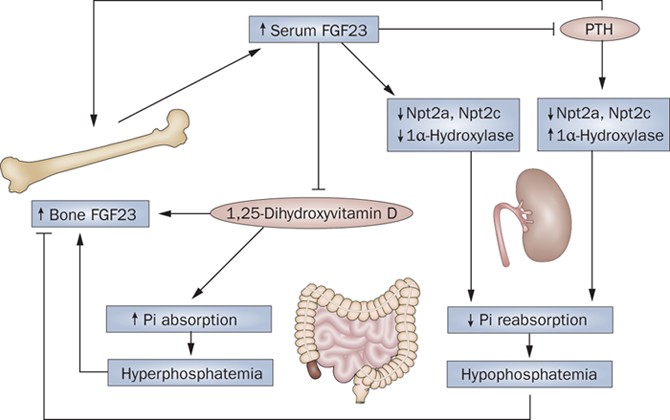
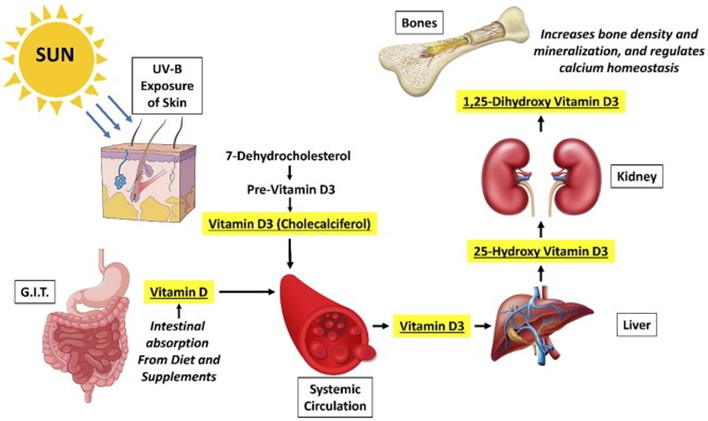
Vitamin D is an essential secosteroid hormone that serves as a primary regulator of calcium-phosphorus homeostasis. It plays a crucial role in various physiological systems, particularly in bone formation and immune function. By modulating calcium absorption and supporting skeletal integrity, vitamin D is indispensable for maintaining overall musculoskeletal health. Simultaneously, its immunomodulatory properties contribute to both innate and adaptive immune responses, highlighting its significance in immune surveillance and disease resistance. This prohormone undergoes enzymatic hydroxylation to its bioactive form, calcitriol, which binds to nuclear vitamin D receptors (VDRs) distributed across multiple tissues, modulating gene expression relevant to mineral metabolism and immunological response pathways. As an endocrine regulator, vitamin D enhances the efficiency of intestinal calcium absorption, directly impacting bone mineralization, skeletal strength, and the mitigation of osteoporotic pathology.
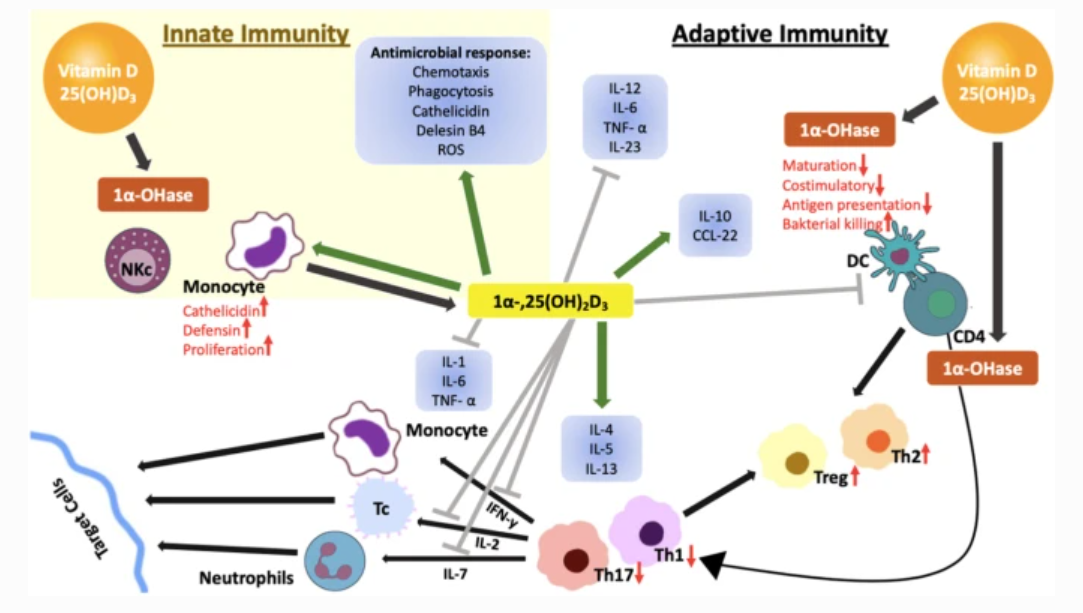
Beyond its traditional role in bone physiology, vitamin D serves as a key immunomodulator, influencing both the innate and adaptive branches of the immune system. It facilitates macrophage differentiation, promotes antimicrobial peptide synthesis, and modulates cytokine secretion to maintain immunological equilibrium. Deficient vitamin D status has been associated with increased susceptibility to infections, heightened inflammatory responses, and the exacerbation of autoimmune conditions, including multiple sclerosis, rheumatoid arthritis, and inflammatory bowel disease. Additionally, emerging data suggest a potential role for vitamin D in mitigating oncogenic pathways and cardiovascular risk factors, highlighting its broader systemic relevance. Studies have indicated that vitamin D influences tumor microenvironments by modulating cell cycle regulation, promoting apoptosis in malignant cells, and inhibiting angiogenesis. Furthermore, vitamin D interacts with nuclear receptors such as the vitamin D receptor (VDR) and retinoid X receptor (RXR), which play key roles in gene expression linked to tumor suppression. Epidemiological studies suggest an inverse correlation between adequate vitamin D levels and the incidence of certain malignancies, including colorectal, breast, and prostate cancers. However, further randomized controlled trials are needed to establish causality and therapeutic applications in oncology.
Recent advances in nutrigenomics and endocrinology underscore the complexity of vitamin D metabolism, revealing its crosstalk with other hormonal axes, including parathyroid hormone regulation and the renin-angiotensin system. This article provides a comprehensive analysis of the molecular mechanisms underpinning vitamin D bioactivity, delineates its endogenous synthesis and dietary sources, examines the pathophysiological ramifications of deficiency, and synthesizes current evidence-based strategies for achieving and maintaining optimal serum concentrations to support systemic health. This article critically examines the mechanistic underpinnings of vitamin D bioactivity, its endogenous and exogenous sources, the pathophysiological ramifications of insufficiency, and current evidence-based interventions for maintaining optimal serum concentrations.
Vitamin D and Bone Health
One of the primary functions of vitamin D is to facilitate the absorption of calcium and phosphorus in the intestines through its interaction with vitamin D receptors (VDRs). These receptors, expressed in intestinal epithelial cells, mediate the transcriptional activation of calcium transport proteins such as TRPV6 and calbindin, which are essential for efficient calcium uptake and homeostasis. Without sufficient vitamin D activation of VDRs, calcium absorption is significantly impaired, leading to potential deficiencies and skeletal demineralization. These minerals are crucial for the development and maintenance of strong bones and teeth. Without adequate vitamin D, the body struggles to absorb calcium, leading to weakened bones and an increased risk of fractures and osteoporosis.
- Bone Development in Children: In growing children, vitamin D deficiency can lead to rickets, a condition characterized by soft, weak bones, and skeletal deformities.
- Osteoporosis and Fracture Risk in Adults: In older adults, insufficient vitamin D levels contribute to osteoporosis, a disease that results in brittle bones and a higher likelihood of fractures. Studies have shown that maintaining optimal vitamin D levels can reduce fall-related fractures in the elderly.
Vitamin D and Immune System Support
Vitamin D also plays a significant role in modulating the immune system. It helps enhance the pathogen-fighting effects of monocytes and macrophages, white blood cells that are essential for immune defense.
- Reduction in Infection Risk: Research suggests that vitamin D deficiency is linked to an increased susceptibility to infections, including respiratory tract infections and influenza.
- Autoimmune Disease Prevention: Vitamin D may help reduce the risk of autoimmune diseases such as multiple sclerosis, rheumatoid arthritis, and type 1 diabetes by regulating immune responses and reducing inflammation.
- Role in COVID-19: Some studies have indicated that adequate vitamin D levels may be associated with a lower risk of severe COVID-19 symptoms, potentially due to its role in modulating inflammatory responses and enhancing antiviral immunity. Vitamin D is thought to downregulate pro-inflammatory cytokines, such as interleukin-6 (IL-6), which play a role in the cytokine storm observed in severe COVID-19 cases. Additionally, it supports the production of antimicrobial peptides like cathelicidins and defensins, which can help the body combat viral infections. However, more research is needed to determine causality and optimal supplementation strategies in clinical settings.
Sources of Vitamin D
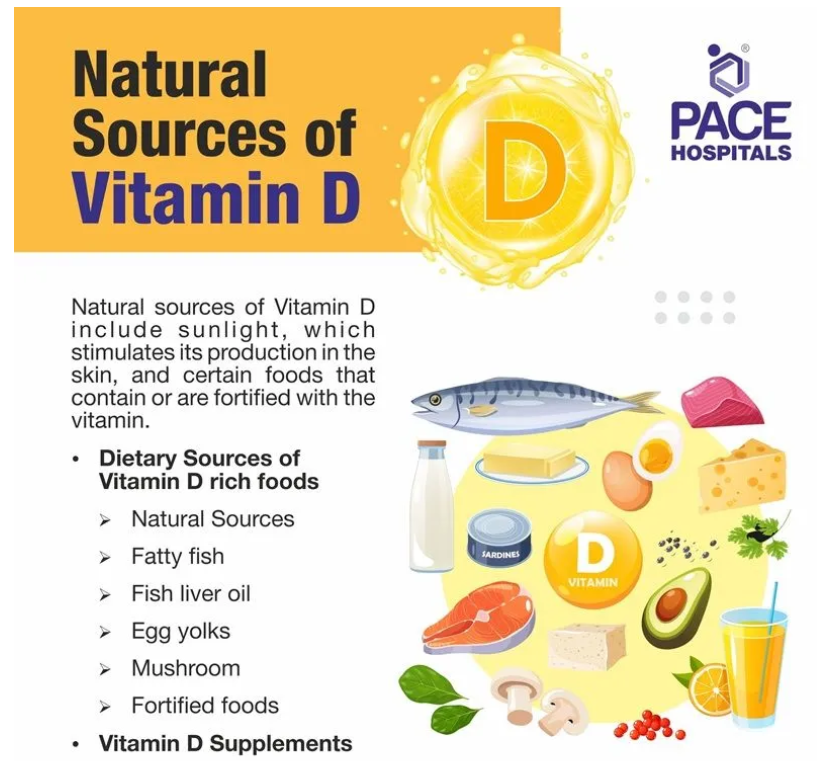
There are three primary sources of vitamin D: sunlight exposure, dietary intake, and supplementation.
- Sunlight Exposure: The body produces vitamin D when the skin is exposed to ultraviolet B (UVB) rays from the sun. However, factors such as geographic location, skin pigmentation, sunscreen use, and seasonal changes can affect vitamin D synthesis.
- Dietary Sources: Foods rich in vitamin D include fatty fish (such as salmon, mackerel, and tuna), egg yolks, fortified dairy products, and mushrooms exposed to sunlight.
- Supplements: For individuals who have limited sun exposure or dietary intake, vitamin D supplements (D2 or D3) can help maintain adequate levels. Vitamin D3 (cholecalciferol) is considered more effective than vitamin D2 (ergocalciferol) in raising blood levels of the vitamin.
Vitamin D Deficiency and Its Consequences
Vitamin D deficiency is a widespread health concern that can lead to various complications, including:
- Increased risk of fractures and bone disorders
- Weakened immune response and increased susceptibility to infections
- Chronic pain and muscle weakness
- Mood disorders such as depression
- Increased risk of cardiovascular diseases and metabolic disorders
Recommended Daily Intake
The recommended daily allowance (RDA) for vitamin D varies based on age, gender, and health conditions:
- Infants (0-12 months): 400 IU (10 mcg)
- Children (1-18 years): 600 IU (15 mcg)
- Adults (19-70 years): 600 IU (15 mcg)
- Older Adults (70+ years): 800 IU (20 mcg)
- Pregnant and Lactating Women: 600 IU (15 mcg)
Conclusion
Vitamin D is essential for maintaining strong bones and supporting a robust immune system. Given its importance, individuals should ensure they receive sufficient vitamin D through sun exposure, diet, and supplementation if necessary. Regular health check-ups and vitamin D level assessments can help prevent deficiencies and associated health risks. Prioritizing adequate vitamin D intake can lead to improved overall well-being and a reduced risk of various diseases.