Comprehensive Guide to Reading Blood Test Results: Everything You Need to Know
Blood tests are a foundational aspect of modern healthcare, offering a wealth of information about your overall well-being. Whether you are keeping track of a chronic condition or simply undergoing a routine health check, understanding the details of your blood test results can significantly enhance your ability to make informed decisions about your health. In this expanded guide, we will explore the most commonly ordered blood test panels in much greater depth, discuss why they matter, describe how to interpret them, and provide guidance on preparing for tests and consulting with healthcare providers.
1. Introduction
Blood tests serve as one of the most direct ways to assess the body’s functioning. Because blood circulates through virtually every organ and system, it carries key indicators of health, such as oxygen levels, nutrient concentrations, hormone balances, and waste products. By measuring these components, blood tests can help detect early warnings for illnesses, monitor the success of medical treatments, and guide preventive care strategies. It’s critical to understand that while numbers on a lab report can seem intimidating at first, gaining familiarity with them can help you become a more active and empowered participant in your healthcare.
How Blood Tests Work
When you give a blood sample, it is typically analyzed in a laboratory using specialized equipment that counts cells, measures chemical levels, and checks for a variety of markers that reflect organ function. Although the process of having blood drawn is routine, the data gleaned from just a few vials of blood can be remarkably comprehensive. Depending on the specific tests ordered, your doctor can learn about kidney function, liver health, blood cell counts, metabolic rates, and more.
2. Why Blood Tests Are Important
- Diagnosis: Blood tests can confirm or rule out a wide range of medical conditions, including infections, hormonal imbalances, nutritional deficiencies, and chronic diseases. This early detection can be the difference between effective early intervention and dealing with more advanced stages of a disease.
- Monitoring Treatment: If you have been diagnosed with a specific condition—such as diabetes, high cholesterol, or thyroid issues—routine blood tests help determine whether treatments or medications are working as intended. If test results change unexpectedly, healthcare providers can adjust treatment plans accordingly.
- Preventive Care: Many serious conditions, from cardiovascular diseases to certain cancers, can initially present with subtle or no symptoms. Regular blood tests allow you and your healthcare provider to spot problems before they become critical. Early intervention often leads to more positive outcomes.
- Holistic Insight: Blood tests can offer broader insight into diet, lifestyle factors, hydration levels, and stress. Even if you don’t have a specific condition, blood work can reveal areas where nutritional improvements or healthier habits may benefit you.
3. Common Blood Test Panels
3.1 Complete Blood Count (CBC)
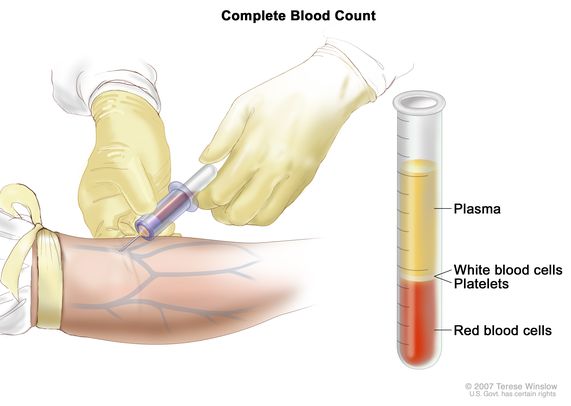
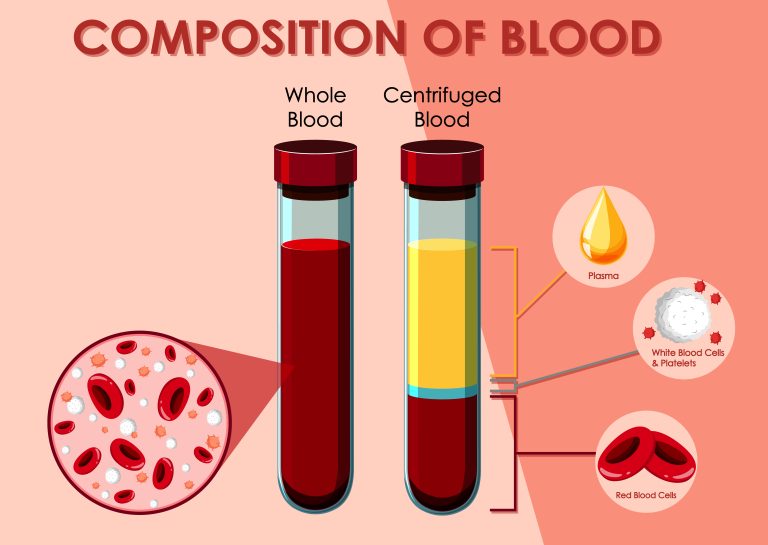
A CBC provides a snapshot of the cells circulating in your blood. It usually includes the following measurements:
- Red Blood Cells (RBCs): RBCs transport oxygen from your lungs to the rest of the body. When RBCs are low—known as anemia—you may experience fatigue, dizziness, or shortness of breath. Alternatively, an elevated RBC count can suggest conditions such as dehydration, polycythemia vera, or higher altitudes’ adaptation.
- White Blood Cells (WBCs): These are your body’s primary defenders against infections. An elevated WBC count may signal an infection, inflammation, or stress. A very low WBC count could compromise your immune system’s ability to fight pathogens.
- Platelets: These small cellular fragments aid in blood clotting. Low platelet counts (thrombocytopenia) can lead to increased bleeding risk, whereas elevated counts may increase the risk of thrombosis.
- Hemoglobin & Hematocrit: These measurements reflect the oxygen-carrying capacity of your blood. Low hemoglobin or hematocrit often aligns with anemia, while elevated levels can be caused by various factors, including smoking, dehydration, or certain bone marrow disorders.
- RBC Indices (MCV, MCH, MCHC): These provide deeper insights into the size and hemoglobin content of your red blood cells, offering clues about different types of anemia.
A CBC is often the first test a healthcare provider orders because it can point to a variety of common issues, from nutritional deficiencies to infections.
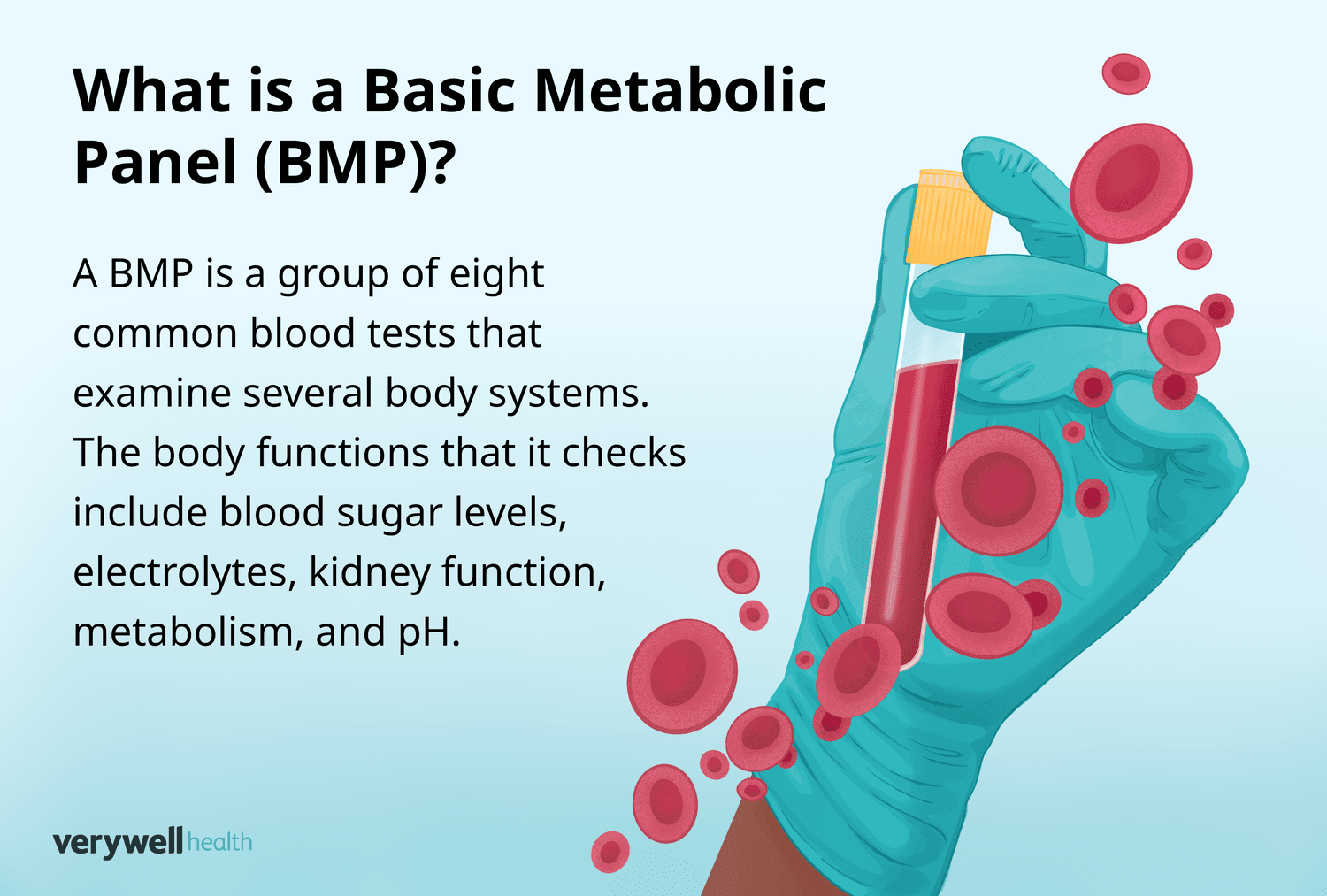
3.2 Basic Metabolic Panel (BMP)
A BMP zeroes in on essential metabolic markers:
- Glucose: This is the primary source of energy for your cells. Persistently high glucose levels can indicate diabetes or prediabetes, while low levels (hypoglycemia) can lead to symptoms like trembling, sweating, and confusion.
- Calcium: Critical for bone health, muscle contractions, and nerve signaling. Abnormal levels may hint at parathyroid gland issues, bone diseases, or kidney dysfunction.
- Electrolytes (Sodium, Potassium, Bicarbonate, Chloride): These minerals regulate fluid balance, nerve impulses, and muscle contractions. Imbalances can manifest as weakness, irregular heartbeats, or issues with blood pressure.
- Blood Urea Nitrogen (BUN) & Creatinine: These gauge kidney performance by measuring waste products that are filtered out by the kidneys. Elevated levels could indicate reduced kidney function, while very low levels might suggest malnutrition or low protein intake.
Because the BMP includes core indicators, it’s frequently used for routine check-ups and acute diagnostic scenarios, such as emergency room evaluations.
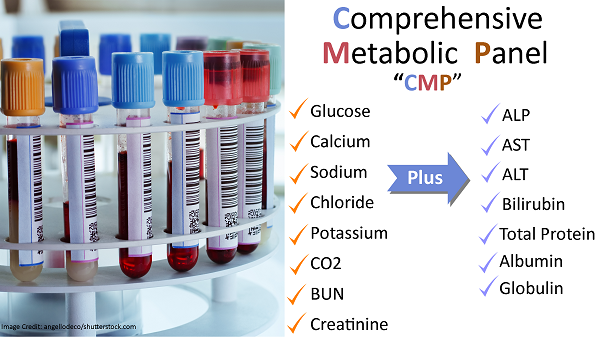
3.3 Comprehensive Metabolic Panel (CMP)
A CMP extends the BMP by adding additional tests:
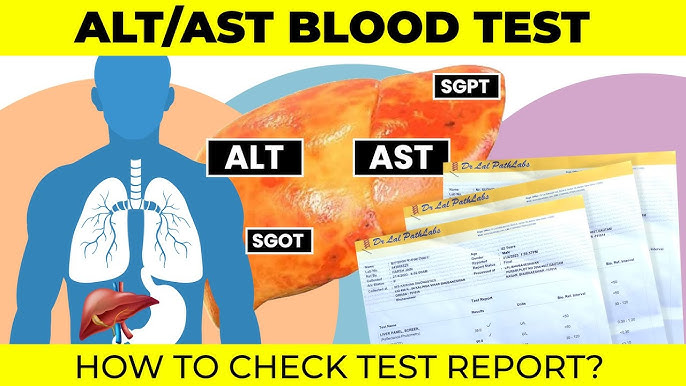
- Liver Enzymes (ALT, AST, ALP): Elevations can indicate liver cell damage, bile duct issues, or the aftereffects of certain medications.
- Total Protein & Albumin: These values can suggest nutritional status, liver function, and kidney health. Low albumin might be tied to liver disease, malnutrition, or kidney problems.
- Bilirubin: A breakdown product of red blood cells. High bilirubin can reveal problems with the liver or bile ducts, potentially leading to jaundice.
The CMP gives a more holistic overview of both kidney and liver function, making it a powerful tool for assessing multiple organ systems at once.
3.4 Lipid Panel
Focusing primarily on heart health, a lipid panel measures:
- Total Cholesterol: Overall cholesterol in your blood.
- High-Density Lipoprotein (HDL): Often dubbed the “good” cholesterol, HDL helps remove LDL from your arteries.
- Low-Density Lipoprotein (LDL): Called “bad” cholesterol, high levels can accumulate in artery walls, increasing the risk of cardiovascular problems.
- Triglycerides: A type of fat that stores excess energy from your diet. Elevated triglyceride levels can also heighten cardiovascular risk.
Proper management of your lipid profile can significantly reduce the likelihood of heart disease, particularly when combined with a healthy diet, exercise, and medical interventions if required.
3.5 Thyroid Function Tests
Your thyroid gland modulates metabolism, growth, and energy regulation:
- TSH (Thyroid-Stimulating Hormone): Produced by the pituitary gland to signal the thyroid to produce T3 and T4.
- T3 & T4 (Triiodothyronine and Thyroxine): The main hormones released by the thyroid gland. Imbalances may manifest as weight fluctuations, temperature sensitivity, fatigue, or anxiety.
Abnormal thyroid hormone levels can indicate hyperthyroidism (excessive hormone production) or hypothyroidism (insufficient production). Both conditions often require medical management.
3.6 Hemoglobin A1c
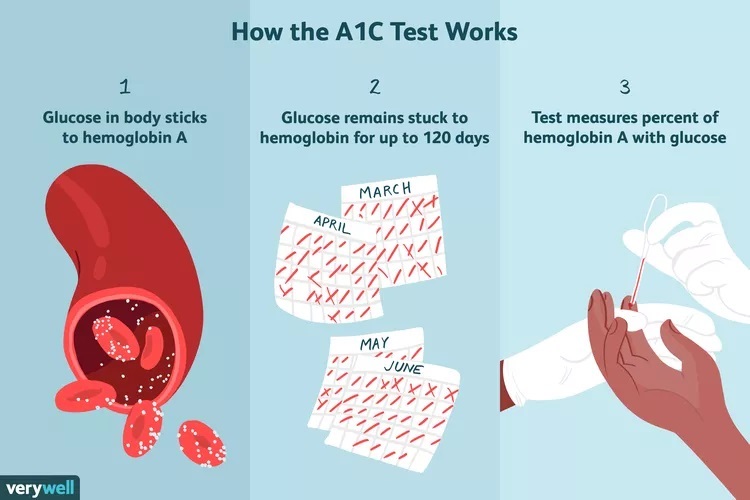
This test measures average blood glucose control over roughly 90 days:
- Hemoglobin A1c (HbA1c): Reflects the percentage of hemoglobin bound with glucose. Higher percentages correlate with poorer long-term glucose control. It’s instrumental in diagnosing diabetes or assessing how well you’re managing your blood sugar.
Since HbA1c is an average measure, it is less likely to be influenced by short-term fluctuations in diet or stress, making it a valuable long-term gauge of metabolic health.
3.7 Coagulation Panel
These tests evaluate your blood’s ability to clot:
- PT (Prothrombin Time), INR (International Normalized Ratio), aPTT (Activated Partial Thromboplastin Time): These metrics help determine whether your blood is clotting within a normal timeframe.
People on anticoagulant medications, like warfarin, often undergo coagulation tests routinely to ensure their dosage is effective without posing a bleeding risk.
4. Interpreting Blood Test Results
4.1 Understanding Reference Ranges
When you receive your lab results, you’ll typically see a numerical value next to each test along with a “reference range” or “normal range.” It is important to remember that these ranges can vary slightly depending on the lab, technology used, and patient factors such as age and gender. Being just outside the reference range doesn’t necessarily mean there is a grave problem; conversely, being within the range doesn’t guarantee everything is perfect.
4.2 Key Markers to Look Out For
- High Glucose: May signal diabetes, metabolic syndrome, or prediabetes.
- Elevated Liver Enzymes (ALT, AST): Can point to hepatitis, fatty liver, alcohol-related damage, or side effects from medication.
- High LDL Cholesterol: Strongly associated with an increased risk of heart disease. Lifestyle changes and/or medication can help address elevated levels.
- Low Hemoglobin: Could reflect various types of anemia. Your doctor might look further into iron levels, vitamin deficiencies, or chronic illnesses.
4.3 Reading the Whole Picture
Rather than focusing on a single result, it is critical to look at trends and correlate multiple test results. For example, your healthcare provider may analyze the relationship between BUN and creatinine to evaluate kidney health more accurately or look at both TSH and T4 to understand thyroid function comprehensively.
5. Factors Affecting Blood Test Results
Many variables can influence blood test outcomes:
- Diet & Fasting: Tests like lipid panels and fasting glucose are most accurate if you’ve fasted for 8–12 hours. Even small deviations can produce misleading spikes in certain values.
- Medications & Supplements: Hormone supplements, antibiotics, and herbal products can alter results. Always inform your healthcare provider of anything you’re taking.
- Hydration: If you’re dehydrated, certain components (like RBCs or electrolytes) can appear abnormally high.
- Time of Day & Stress Levels: Hormonal markers (cortisol, for instance) can change throughout the day, and stress can raise your white blood cell count temporarily.
- Laboratory Variability: Different labs use different equipment and reference calibrations, so minor discrepancies can appear when comparing results from two separate facilities.
6. Preparing for a Blood Test
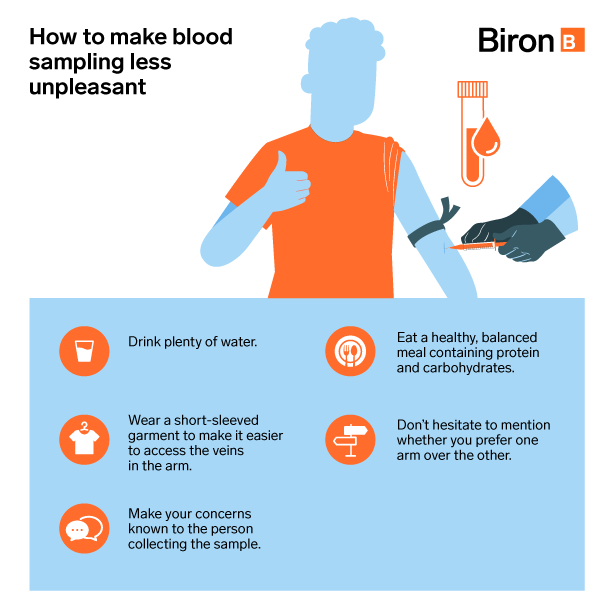
- Follow Fasting Instructions: If the test requires fasting, stick to water only. Consuming coffee, tea, or juice might alter results.
- Review Medications: Check with your doctor about whether you should pause certain meds or supplements. This is especially relevant for hormone therapies or anticoagulants.
- Maintain Normal Routine: Unless instructed otherwise, don’t drastically alter your diet or exercise patterns before a test. Routine behaviors will yield the most accurate baseline.
- Stay Hydrated: Good hydration ensures veins are more accessible and can help the phlebotomist collect your sample efficiently.
- Manage Stress: Try to be calm and rested. Extreme stress or anxiety can sometimes elevate stress hormones, potentially influencing certain results.
- Avoid Intense Exercise: Strenuous workouts can temporarily affect markers like creatine kinase or cortisol, leading to atypical readings.
7. Consulting with a Healthcare Provider
While it’s helpful to build your knowledge of blood tests, remember that these numbers are only part of a larger diagnostic picture. Never self-diagnose or commence new treatments based solely on lab values. A qualified healthcare professional can:
- Interpret your results in the context of your personal medical history.
- Discuss how factors like age, weight, existing conditions, and family history might influence your results.
- Recommend follow-up testing or referrals if any values are significantly high or low.
- Provide lifestyle and medication suggestions to optimize your health.
Engaging in open, transparent communication with your provider—asking questions, noting any concerns, and exploring treatment options—can significantly improve your healthcare outcomes.
8. Key Takeaways
- Learn the Basics: Understanding major blood tests like the CBC, CMP, and lipid panel gives you a firm footing for interpreting common lab results.
- Context Matters: Out-of-range results aren’t automatically cause for alarm; trends, underlying conditions, and lifestyle factors all play a role.
- Preparation Counts: Proper fasting and medication reviews can ensure your lab values reflect your typical state of health.
- Long-Term Perspective: For chronic issues like diabetes or high cholesterol, monitoring changes over time provides more insight than a single snapshot.
- Partner with Professionals: Ultimately, doctors, nurses, and specialists can interpret labs holistically, guiding you toward healthy lifestyle choices and effective treatments.
9. Disclaimer
This guide is intended for general informational purposes and does not replace professional medical advice. Because individual health situations vary, always consult your healthcare provider for personalized guidance on interpreting and acting on blood test results. Your healthcare team can give you a thorough analysis that takes into account your medical history, symptoms, and any unique risk factors.
By delving into these aspects of blood testing and understanding how each metric ties into your broader health profile, you can confidently approach your next blood test and the conversation that follows with your healthcare provider. Knowledge is one of the most powerful tools you can carry on your healthcare journey, and staying informed about your blood work is an essential step toward proactive, well-rounded medical care.